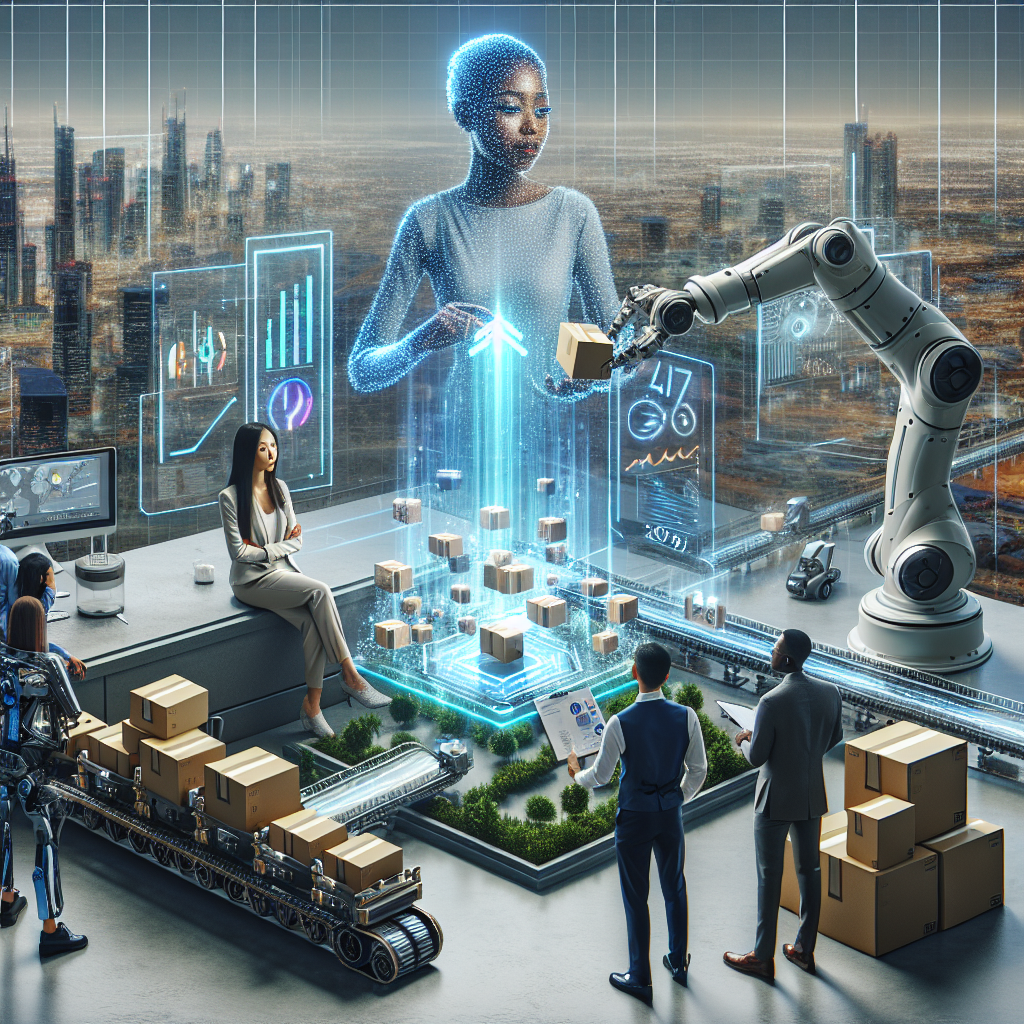
The advent of Artificial Intelligence (AI) and automation technologies has sparked a transformative wave across industries, fundamentally altering how businesses operate. As organizations strive to enhance efficiency, reduce costs, and maintain competitiveness, the balance between AI automation and human work has become a focal point of discussion. Understanding this dynamic is crucial for any business looking to thrive in today's fast-paced digital landscape.
The Rise of AI Automation
AI automation refers to the use of artificial intelligence technologies to perform tasks that traditionally required human intervention. This can range from robotic process automation (RPA) that handles repetitive tasks to advanced machine learning algorithms that can analyze vast datasets to extract insights. The benefits of AI automation are clear: increased efficiency, reduced operational costs, and improved accuracy. For example, companies like Amazon have implemented sophisticated AI-driven systems for inventory management and logistics, resulting in significant cost savings and enhanced customer satisfaction.
Key Technologies in AI Automation
Several technologies underlie AI automation, each with distinct applications and advantages. Natural Language Processing (NLP) allows machines to understand and respond to human language, making it invaluable for customer service chatbots. Machine Learning (ML) enables systems to learn from data and improve over time, which can enhance predictive analytics for marketing campaigns or risk management in finance. Furthermore, computer vision technology empowers machines to interpret and act upon visual data, which is critical in manufacturing and quality assurance processes.
The Value of Human Work
Despite the growing prevalence of AI, human work remains irreplaceable. Humans bring creativity, emotional intelligence, and complex problem-solving skills that AI cannot replicate. For instance, while AI can analyze data trends, it lacks the ability to understand context or nuance, which is essential in fields like marketing and user experience design. A classic example is the advertising industry, where human insight into cultural trends and consumer behavior drives campaign success more than data analysis alone.
The Role of Human Judgment
Human judgment plays a critical role in decision-making processes. In sectors such as healthcare, while AI can assist in diagnosing diseases through imaging data, it is the human professionals who interpret results and make treatment decisions. This interplay between AI capabilities and human judgment highlights a complementary relationship rather than a competitive one. Businesses should recognize that integrating AI into workflows is not about replacing human workers but augmenting their capabilities.
Finding the Right Balance
To harness the full potential of both AI automation and human work, businesses must find a suitable balance. This involves understanding which tasks are suitable for automation and which require a human touch. Routine processes such as data entry, customer inquiries, and inventory management can benefit from automation to free up human workers for more strategic roles. Companies like IBM are leading the way in developing hybrid models where AI handles repetitive tasks, allowing employees to focus on innovation and customer relations.
Case Studies of Successful Integration
Several organizations have successfully integrated AI automation while preserving the value of human work. For instance, the automotive industry has seen a significant shift with the introduction of AI-driven robotics for assembly lines. Companies like Tesla utilize AI to enhance production efficiency while employing skilled workers who oversee and manage these automated processes. This collaboration has not only improved productivity but has also created new job opportunities in areas such as AI oversight and maintenance.
Challenges and Considerations
While the benefits of AI automation are compelling, businesses must navigate various challenges. One significant concern is the potential for job displacement, as automation can lead to workforce reductions in certain sectors. Companies need to adopt a proactive approach by investing in retraining programs to help employees transition into roles that are less susceptible to automation. Moreover, ethical considerations surrounding AI use, data privacy, and algorithmic bias must be addressed to ensure responsible deployment.
The Future of Work
The intersection of AI automation and human work will shape the future of work. As industries evolve, there will be a growing demand for employees who can work alongside AI technologies, bridging the gap between human intuition and machine efficiency. Businesses that prioritize workforce development and cultivate a culture of continuous learning will be better positioned to thrive in this new landscape. The World Economic Forum projects that by 2025, the demand for skills in technology and data analysis will surge, reinforcing the need for human workers to adapt and grow alongside AI advancements.
Conclusion
In conclusion, the discussion surrounding AI automation versus human work is not a matter of one replacing the other. Instead, it revolves around creating a synergistic relationship that leverages the strengths of both. Businesses must recognize the unique capabilities that human workers bring to the table while embracing the efficiencies that AI can offer. By understanding and strategically implementing AI technologies, organizations can enhance productivity, foster innovation, and adapt to the ever-changing business landscape. The future belongs to those who can effectively integrate AI and human talent to create resilient and dynamic workplaces.
More Recommended
Small Businesses with AI Technology
How AI Is Transforming Small Businesses in 2026