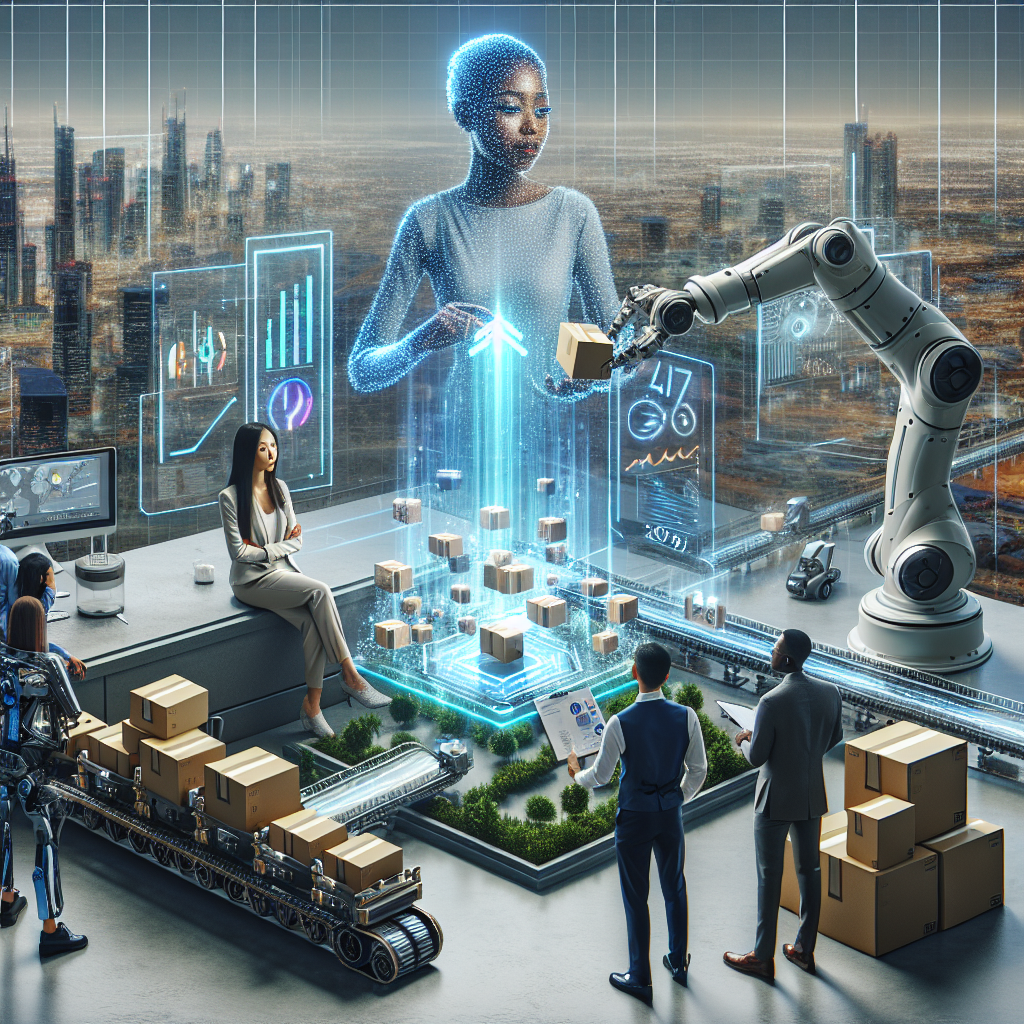
The integration of artificial intelligence (AI) into the business landscape is no longer a futuristic concept; it's a present-day reality reshaping industries across the globe. As companies strive to enhance efficiency, improve customer experience, and gain a competitive edge, AI technologies are becoming indispensable tools. This article delves into the emerging trends in AI that are set to redefine the business world, providing insights into how organizations can harness these innovations for growth and success.
1. Increased Automation of Routine Tasks
One of the most significant trends in AI is the automation of routine and repetitive tasks. Businesses are leveraging AI-powered tools to streamline operations, reduce human error, and increase productivity. For example, customer service chatbots powered by natural language processing (NLP) can handle thousands of inquiries simultaneously, freeing human agents to focus on more complex issues.
Companies like Zendesk and Intercom have successfully implemented chatbots that manage customer interactions 24/7. This automation not only enhances customer satisfaction through immediate responses but also significantly reduces operational costs. Furthermore, industries like manufacturing are utilizing AI-driven robotics to automate assembly lines, leading to faster production rates and improved quality control.
2. Enhanced Predictive Analytics
Predictive analytics is another area where AI is making waves. By analyzing vast amounts of data, AI algorithms can identify patterns and trends that human analysts might overlook. This capability allows businesses to make informed decisions based on data-driven insights.
For instance, companies like Salesforce use AI to provide predictive analytics capabilities in their Customer Relationship Management (CRM) software. By analyzing past customer interactions, the AI can forecast future buying behaviors, enabling sales teams to tailor their strategies accordingly. Similarly, retailers like Amazon leverage predictive analytics to optimize inventory management, ensuring they meet customer demand without overstocking.
3. Personalization at Scale
In today's competitive market, personalization has become key to customer engagement. AI enables businesses to deliver personalized experiences to customers at scale. Through machine learning algorithms, companies can analyze customer preferences and behaviors to tailor marketing messages, product recommendations, and content.
Netflix is a prime example of effective personalization. The streaming service uses AI to analyze viewing patterns and recommend content that aligns with individual user preferences. This not only enhances user experience but also increases viewer retention rates. Similarly, e-commerce platforms like Alibaba utilize AI-driven recommendation engines to suggest products, resulting in higher conversion rates.
4. AI-Driven Decision Making
AI is transforming the decision-making process in organizations. By providing insights derived from data analysis, AI tools enable leaders to make more informed and strategic decisions. Advanced AI systems can simulate various scenarios and predict outcomes, allowing businesses to assess risks and opportunities effectively.
For example, companies in the financial sector, such as JPMorgan Chase, utilize AI for risk assessment and fraud detection. AI algorithms can analyze transaction patterns in real-time, flagging suspicious activities that may indicate fraud. This not only protects the company from financial loss but also enhances customer trust.
5. AI Ethics and Governance
As AI continues to evolve, ethical considerations are becoming increasingly important. Businesses must navigate the complexities of AI ethics, including concerns about data privacy, bias in algorithms, and the impact of automation on jobs. Organizations are beginning to recognize the necessity of establishing governance frameworks to ensure responsible AI usage.
Leading companies, such as Microsoft and Google, have implemented ethical guidelines for AI development and deployment. These guidelines emphasize transparency, accountability, and fairness, ensuring that AI systems are designed to benefit all stakeholders. As public scrutiny of AI practices grows, businesses that prioritize ethical considerations are likely to gain a competitive advantage.
6. The Rise of AI-Enhanced Customer Experiences
AI is not just about operational efficiency; it also plays a crucial role in enhancing customer experiences. Businesses are increasingly using AI to analyze customer feedback and sentiment, enabling them to respond proactively to customer needs.
For instance, Starbucks utilizes AI in its mobile app to analyze customer orders and preferences, allowing it to offer personalized deals and recommendations. This level of engagement fosters customer loyalty and drives repeat business. Similarly, AI-driven sentiment analysis tools help companies gauge customer satisfaction and adjust their strategies accordingly, ensuring they stay aligned with consumer expectations.
7. Future Workforce Dynamics
The introduction of AI into the workplace is reshaping workforce dynamics. While automation may replace certain jobs, it also creates new opportunities for roles that require human oversight of AI systems. Businesses will need to invest in reskilling and upskilling their workforce to adapt to these changes.
Companies like IBM have launched initiatives to train employees in AI-related skills, preparing them for the future job market. As AI takes over mundane tasks, employees can focus on higher-value activities that require creativity, problem-solving, and interpersonal skills. This shift will lead to a more engaged and innovative workforce.
Conclusion
The future of AI in business promises to be transformative, offering unprecedented opportunities for innovation and growth. As organizations embrace these trends—ranging from automation to enhanced customer experiences—they must also navigate the ethical challenges that come with AI adoption. By prioritizing responsible AI practices and investing in workforce development, businesses can position themselves at the forefront of the AI revolution, ensuring sustainable success in an increasingly digital world.
More Recommended

Small Businesses with AI Technology
How AI Is Transforming Small Businesses in 2026