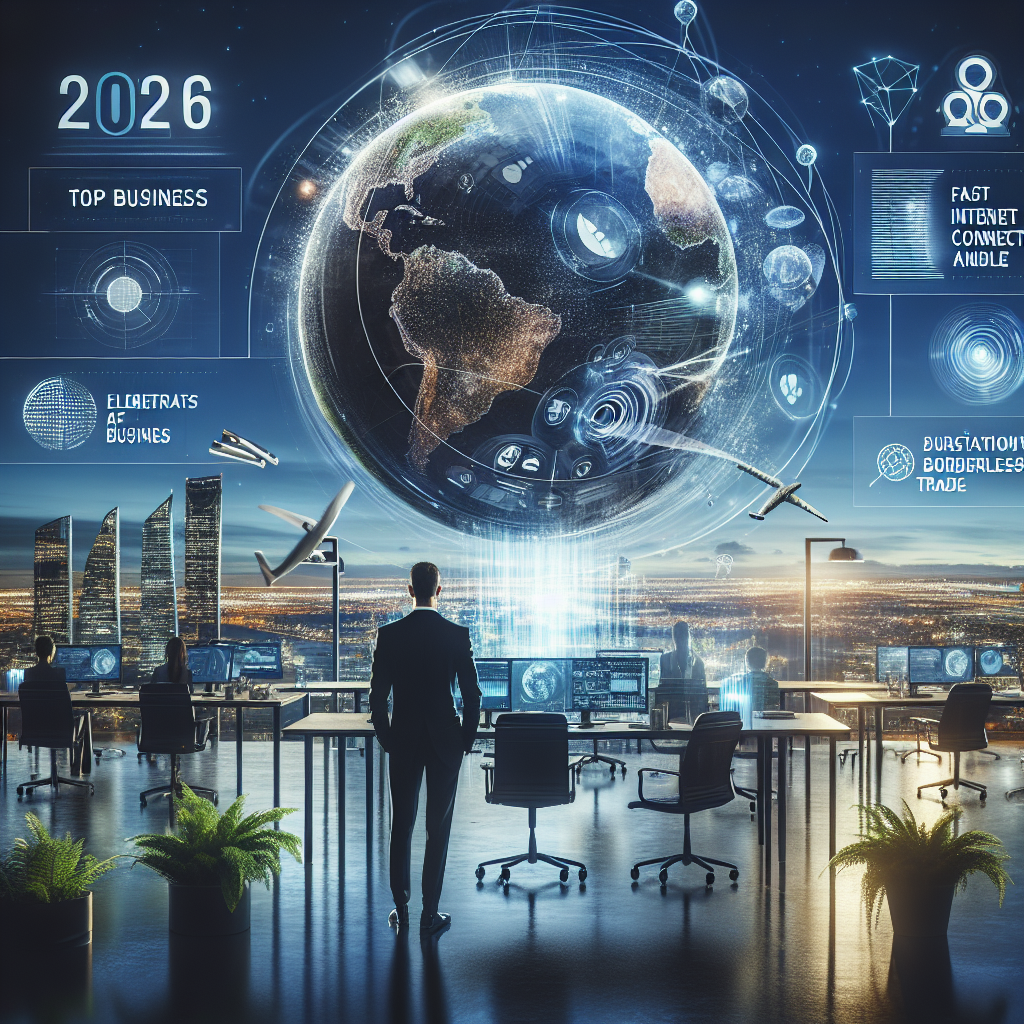
The business landscape is constantly evolving, and as we step into 2026, several key trends are emerging that will shape the future of industries worldwide. Understanding these trends is crucial for entrepreneurs, managers, and stakeholders looking to stay competitive and relevant. From the rapid advancement of artificial intelligence to an increased focus on sustainability, the business world is adapting to new challenges and opportunities.
1. The Rise of Artificial Intelligence
Artificial intelligence is no longer a futuristic concept; it has become an integral part of business operations. In 2026, AI technologies are enhancing decision-making processes, automating mundane tasks, and driving personalized customer experiences. Businesses are leveraging AI for predictive analytics, which allows them to forecast market trends and consumer behaviors with remarkable accuracy.

AI in Customer Service
AI chatbots and virtual assistants are revolutionizing customer service. These intelligent systems provide 24/7 support, significantly reducing response times and improving customer satisfaction. As AI continues to evolve, we can expect even more sophisticated interactions that mimic human-like conversations.
2. Sustainability as a Core Business Strategy
In 2026, sustainability is not just a buzzword; it's a necessity. Consumers are increasingly prioritizing eco-friendly practices, pushing businesses to adopt sustainable models. Companies that integrate sustainability into their core strategies are not just meeting consumer demands; they are also driving innovation and creating new revenue streams.
From reducing carbon footprints to sustainable sourcing, businesses are finding ways to operate responsibly. Initiatives like circular economy practices are gaining traction, enabling companies to minimize waste and maximize resource efficiency.

Green Technologies
The development of green technologies, such as renewable energy solutions and energy-efficient processes, is expected to surge. Companies investing in these technologies not only contribute to environmental preservation but also enjoy long-term cost savings and enhanced brand loyalty.
3. The Evolution of Remote Work
The pandemic accelerated the shift towards remote work, and by 2026, this trend has evolved into a hybrid model that combines flexibility with productivity. Businesses are adopting flexible work arrangements that cater to employees' needs while maintaining a strong organizational culture.
Employee Well-being
In this new work paradigm, companies are prioritizing employee well-being. Mental health support programs, flexible hours, and wellness initiatives are becoming standard practice. Organizations that foster a supportive environment are likely to see improved employee engagement and retention rates.
4. Digital Transformation and Integration
Digital transformation continues to be a driving force in 2026. Companies are investing in advanced technologies to integrate their operations seamlessly. From cloud computing to the Internet of Things (IoT), businesses are enhancing their agility and responsiveness to market changes.

Data-Driven Decision Making
Data analytics is at the heart of digital transformation. Companies that harness big data can make informed decisions, optimize their strategies, and improve customer experiences. As businesses become more data-driven, the need for skilled data professionals will also rise.
5. Blockchain Beyond Cryptocurrency
While blockchain technology is often associated with cryptocurrency, its applications extend far beyond. In 2026, industries are increasingly adopting blockchain for supply chain management, ensuring transparency and traceability in transactions.
Smart Contracts
Smart contracts are gaining traction, enabling automated, self-executing agreements that enhance efficiency and reduce the risk of fraud. Businesses that adopt blockchain solutions can streamline operations and build trust with consumers and partners.
6. Enhanced Customer Experience
In 2026, customer experience (CX) is more important than ever. Businesses are investing in technologies that enhance CX, such as augmented reality (AR) and virtual reality (VR), to create immersive experiences. Personalization through data insights allows companies to cater to individual preferences, fostering loyalty and engagement.
Omnichannel Strategies
As consumers engage across multiple touchpoints, businesses are implementing omnichannel strategies to provide a seamless shopping experience. Whether through online platforms, physical stores, or mobile apps, a cohesive approach is essential to meet customer expectations.
In conclusion, the trends shaping the business landscape in 2026 reflect a shift towards technology, sustainability, and enhanced customer engagement. Businesses that adapt to these trends will not only survive but thrive in an increasingly competitive market. By staying informed and agile, organizations can position themselves for success in the years to come.